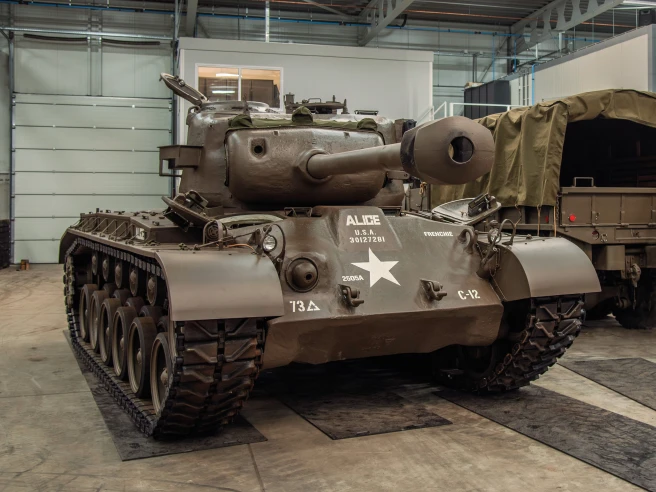
The M26 Pershing “ALICE” represents one of the rarest and most historically meaningful American tanks of the mid-20th century. Developed after years of postponed heavy-tank programs, the Pershing entered combat in 1945 as the long-awaited response to the Panther and Tiger. With its thick 4½-inch glacis, 90 mm M3 gun, torsion-bar suspension, advanced optics, and lower silhouette, it was a radical leap beyond the Sherman.
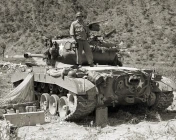
Though arriving too late to influence WWII, the Pershing played a decisive role in the opening months of the Korean War. “ALICE,” USA 30127281, served with Unit 12 of Company C, 73rd Armored Regiment. During the Battle of Taegu (August 5–20, 1950), she helped disable three North Korean T-34/85s. LIFE photographer Carl Mydans captured “ALICE” in action images that later proved invaluable in tracing her history. The tank survived hard combat, bearing impact scars on hull and turret, many of which remain visible today.
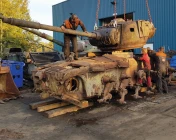
After the war, most Pershings were scrapped or relegated to training ranges as newer Patton tanks entered service. Surviving examples are exceptionally scarce. “ALICE” was rediscovered by BAIV in 2018 in a historic German scrap yard, buried beneath weeds and trees yet still surprisingly complete.
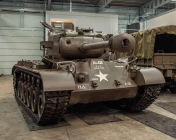
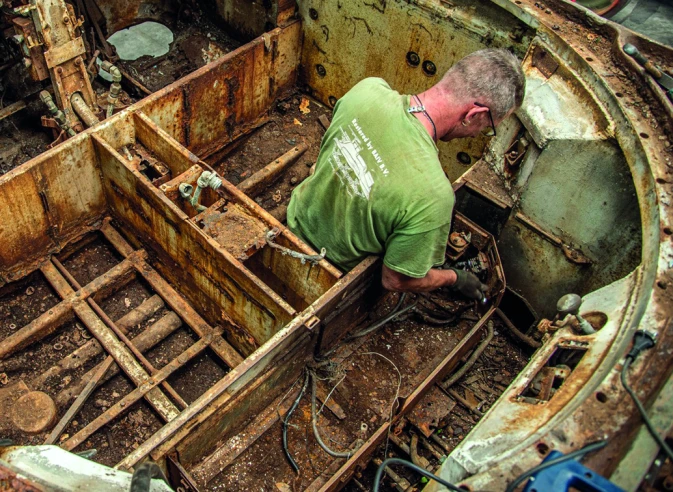
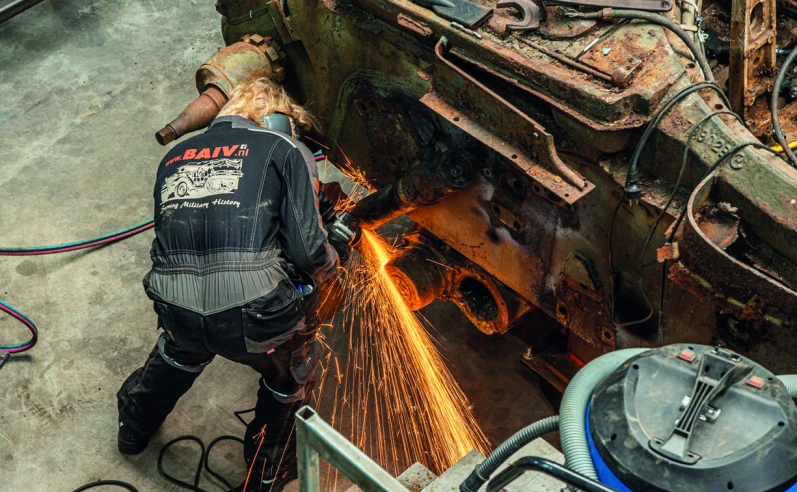
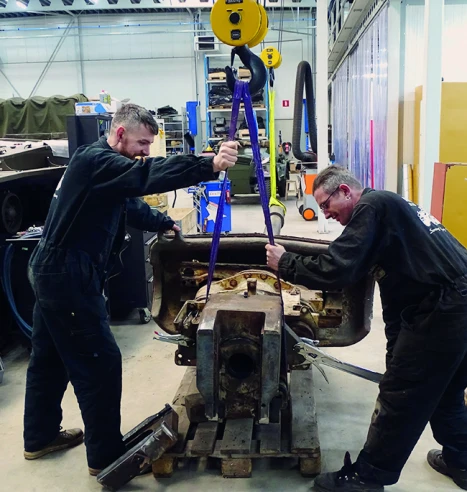
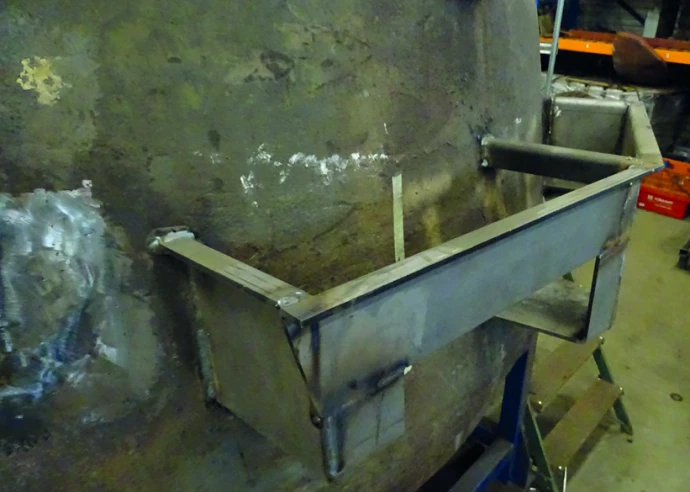
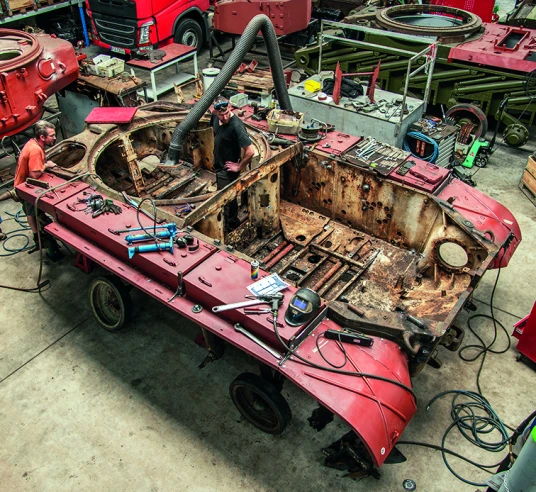
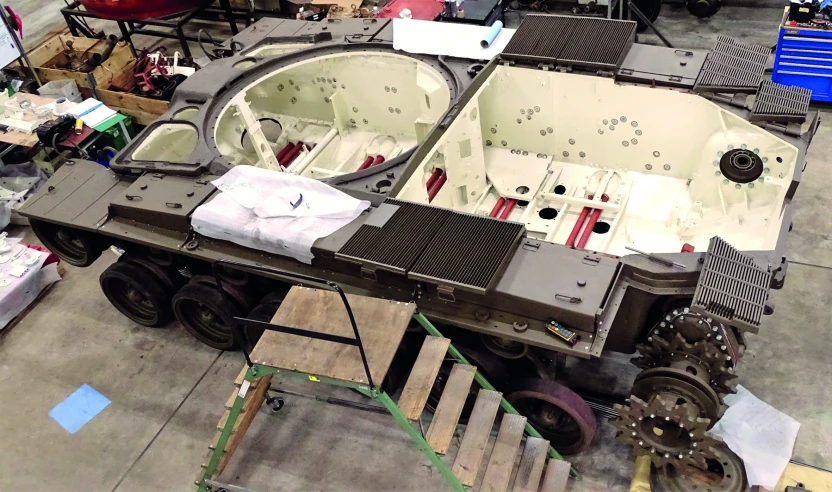
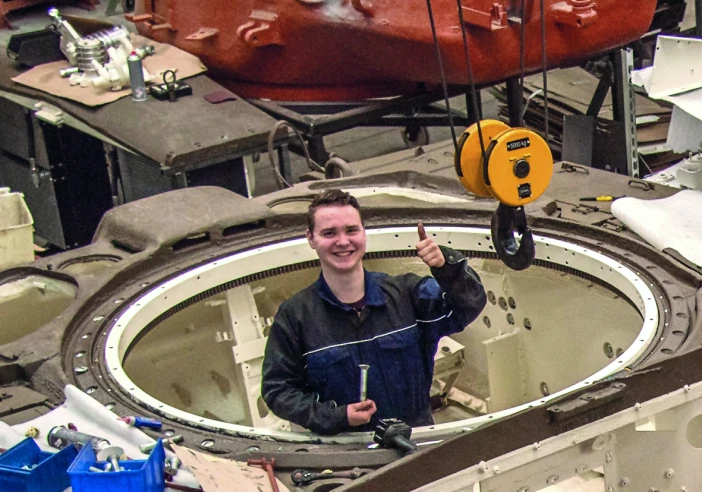
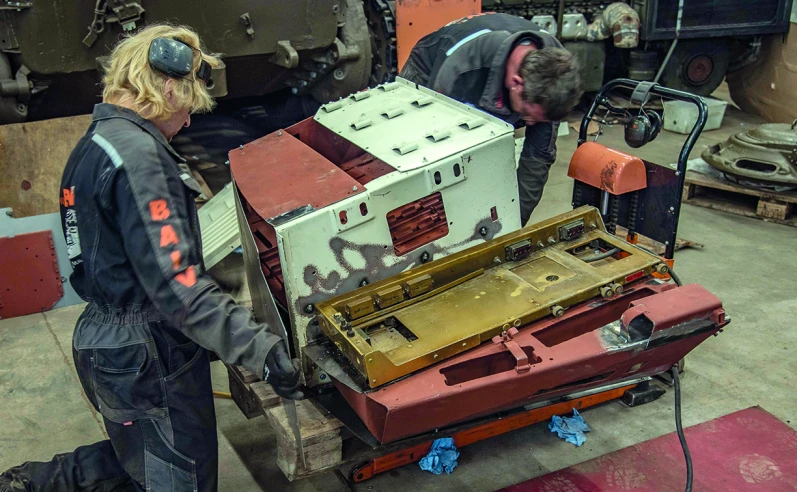
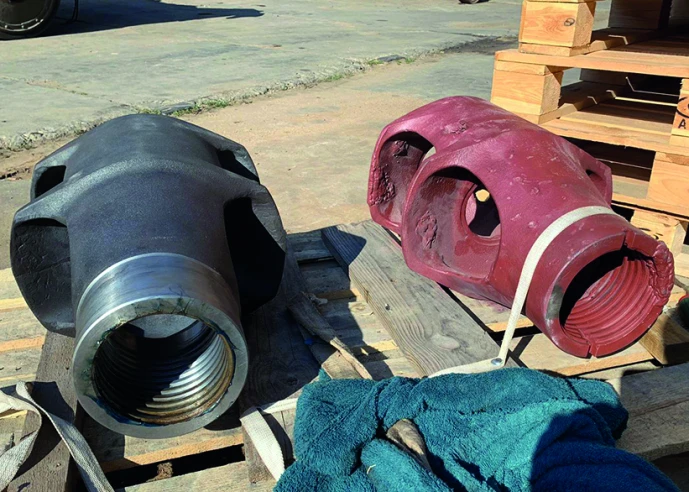
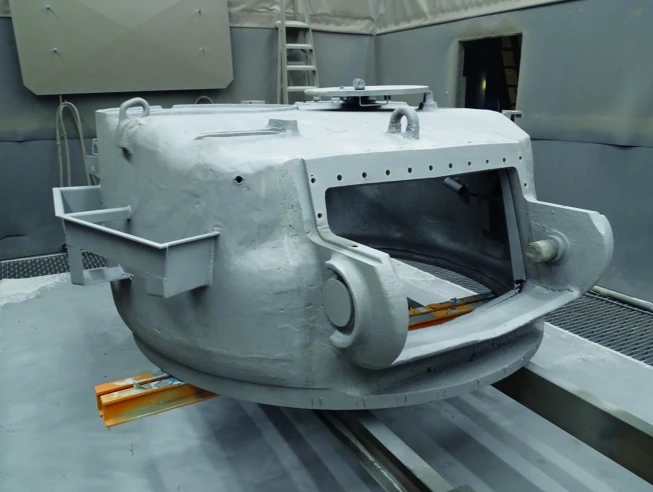
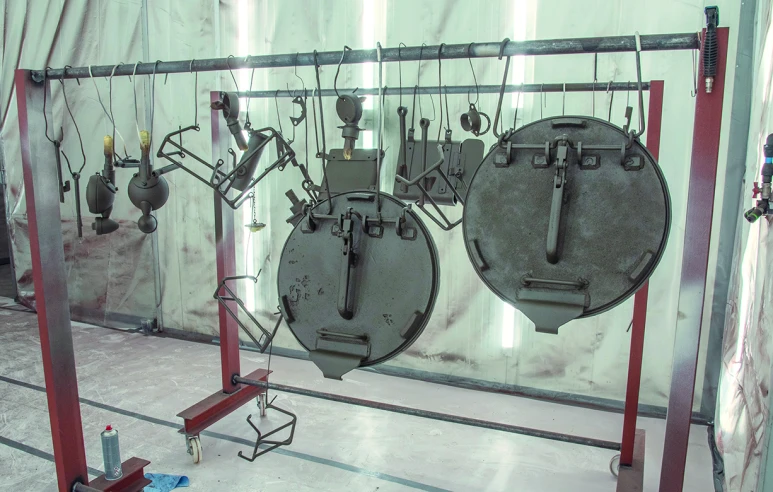
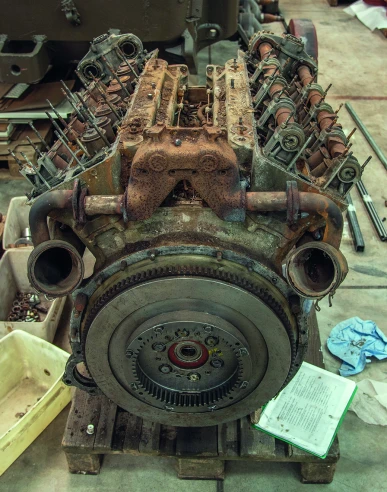
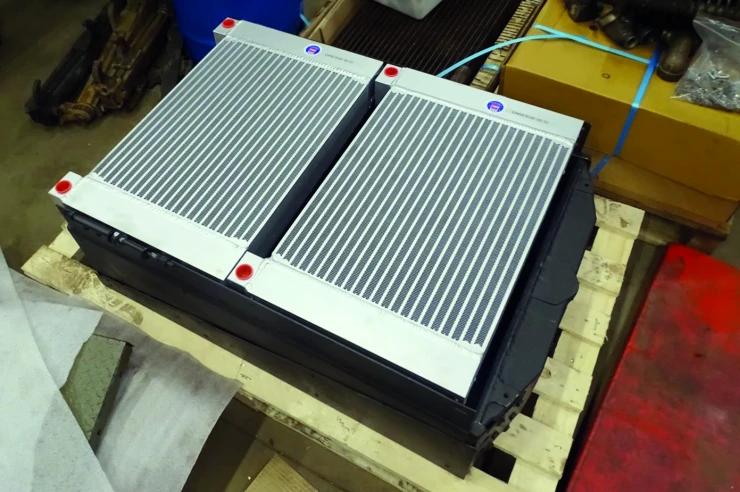
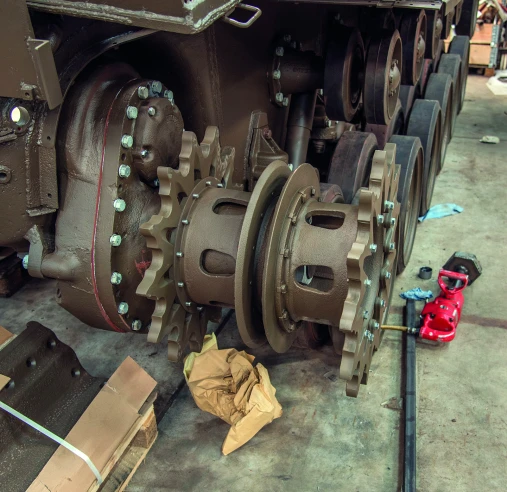
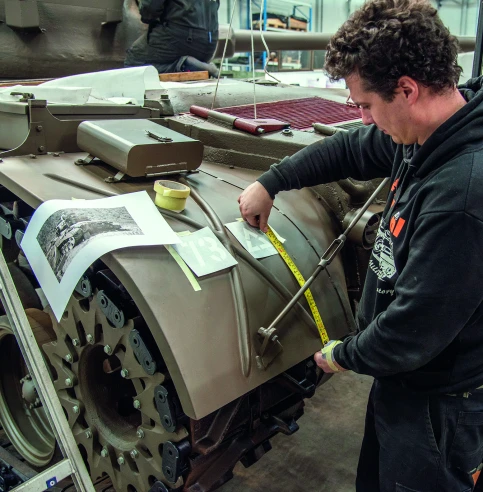
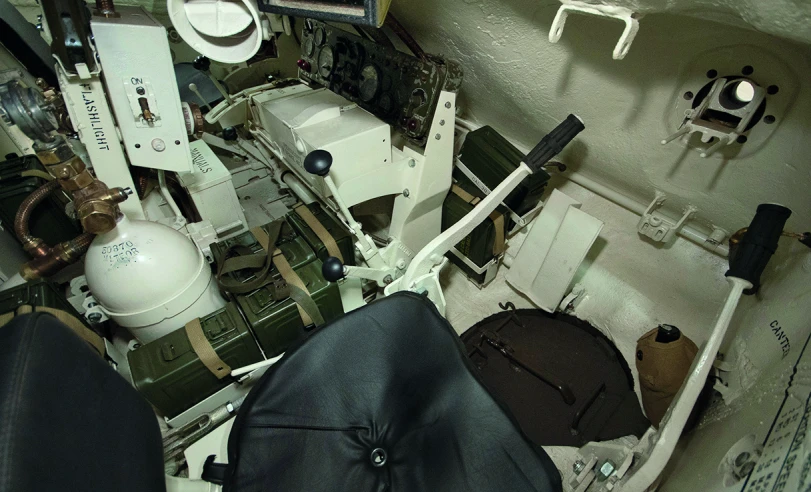
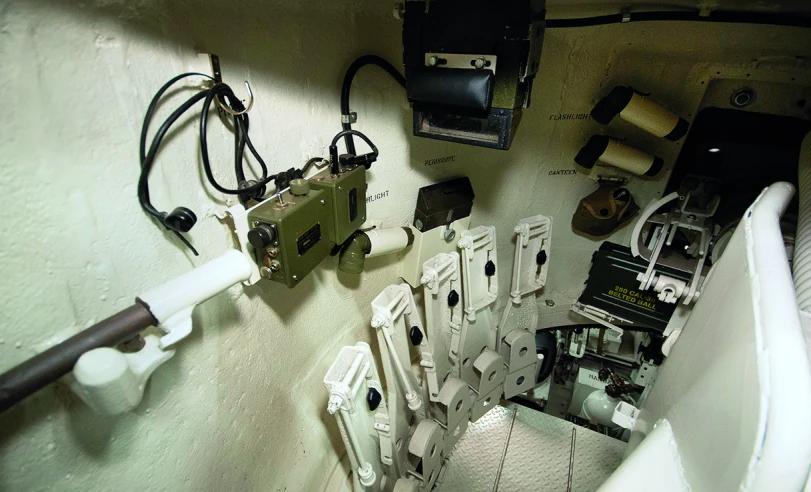
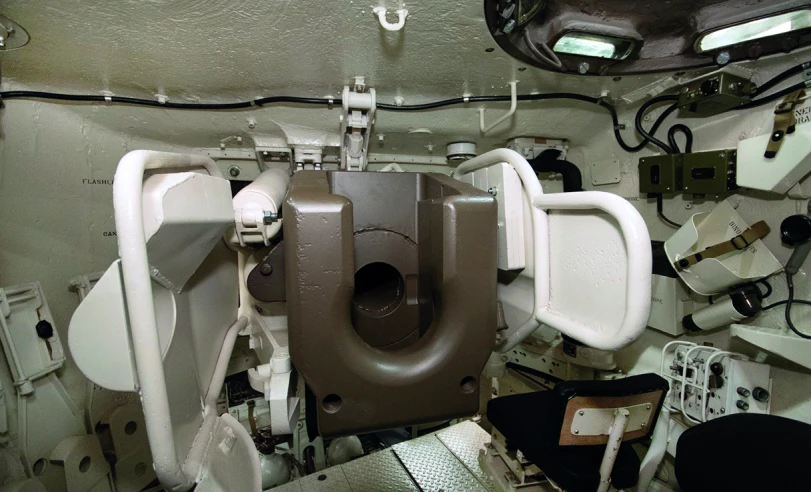
Restoration began in 2020 under extreme time pressure, as the National Museum of Military Vehicles requested completion for the May 2021 opening of their new Korean War gallery. Despite BAIV’s simultaneous workshop relocation and the global COVID-19 crisis, the BAIV team undertook a seven-month sprint restoration. The project required complete disassembly, extensive rebuilding of the severely corroded bow section, reproduction of missing components (fenders, storage bins, fuel tanks, muzzle brake, hatches), sourcing of rare parts across Europe and the US, and a full rewire using correct WWII/Korean-era mil-spec connectors and cloth-wrapped harnesses.
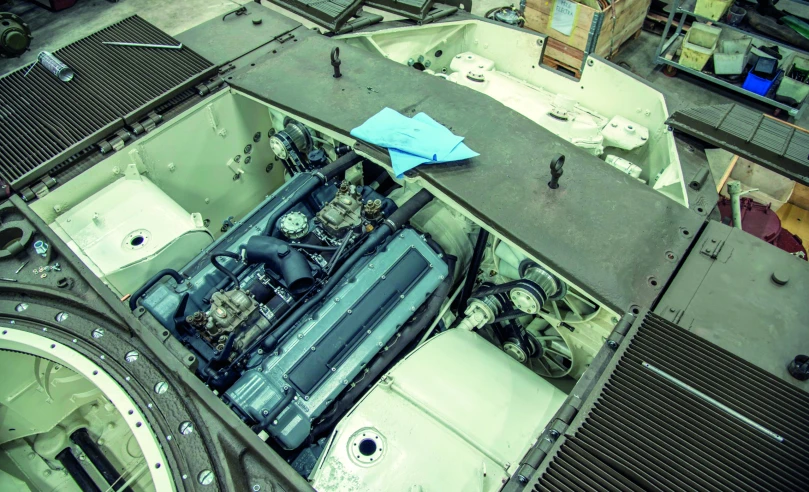
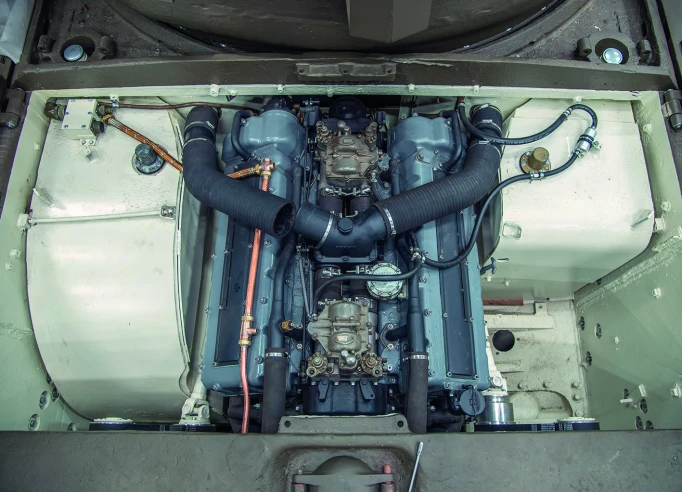
Squirrels and mice filled the hull with two wheelbarrows of walnuts; countless bolts required specialized extraction. The engine deck, support systems, and driver stations were heavily reworked. Throughout the process, BAIV preserved original combat damage, visible testimony to “ALICE’s” Korean War service.
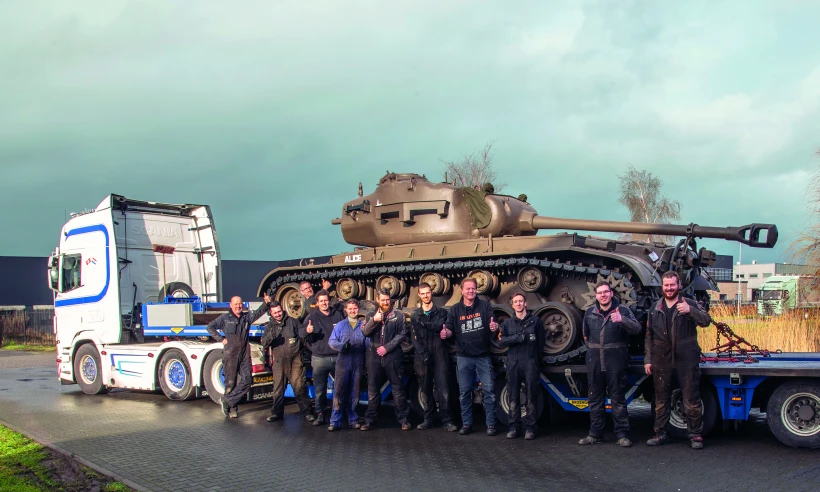
Completed ahead of schedule, the restoration stands as one of BAIV’s most demanding achievements. Today, “ALICE” is a fully operational, museum-grade Korean War veteran and one of the world’s best-preserved Pershings; an authentic memorial to the armor crews who fought in the early, desperate months of the Korean War.
M26 Pershing “ALICE”

M26 Pershing “ALICE” – USA 30127281
This M26 Pershing, a rare surviving Korean War veteran, served as “ALICE” of Company C, 73rd Armored Regiment. Once abandoned in a German scrapyard, it has been fully restored to Class-A standard for the National Museum of Military Vehicles, preserving an iconic American tank of WWII and Korea.
Wartime Use / Deployment
Served in Korea with Company C, 73rd Armored Regiment during the Pusan Perimeter and Battle of Taegu.
Condition When Discovered
Found in a German scrapyard; overgrown, heavily weathered, but remarkably complete and never range-shot.
Start of the Restoration
Restoration began in 2020 under tight deadlines for the museum’s May 2021 Korean War opening.

Condition After Restoration
Class-A restored, fully operational M26 with original features retained and combat scars preserved.
Highlights
The Pershing underwent a complete seven-month restoration involving extensive structural rebuilds, new-fabricated components, electrical reconstruction, drivetrain renewal, and preservation of original combat damage. Delivered ahead of schedule, it now stands as an exceptionally rare, museum-grade Korean War combat veteran.
Highlight 1
Full reconstruction of severely corroded driver and co-driver sections.
Highlight 2
Fabrication of numerous missing components, including fenders, bins, fuel tanks, and deck plates.
Highlight 3
Historic Korean War battle damage preserved authentically during restoration.








Restoration Book
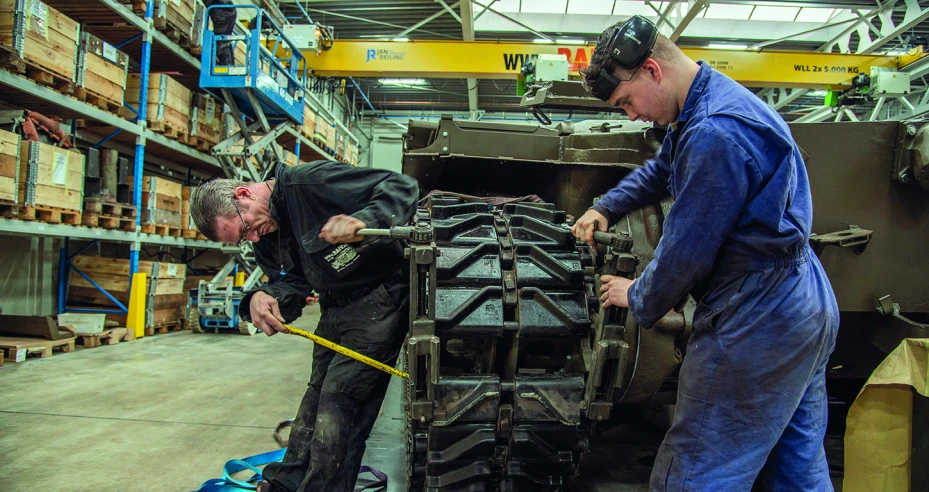
For every restoration project, a comprehensive restoration book is created, documenting the entire process from start to finish in hundreds of detailed photographs. These books offer a unique behind-the-scenes insight into the craftsmanship, precision, and expertise behind each BAIV restoration. Interested parties are welcome to download these books to gain a deeper understanding of our working methods, technical capabilities, and the level of quality we strive for in every project.
Thank you for interest in our restoration book. Enjoy exploring the restoration process.
Copyright & Usage Disclaimer
This publication may be downloaded and used solely for personal, non-commercial reference purposes.
All texts, images, and other content contained herein are protected by copyright law.
No part of this publication may be reproduced, distributed, transmitted, stored in a retrieval system, or made publicly available, in whole or in part, without the prior written consent of the copyright holder.


