





















History
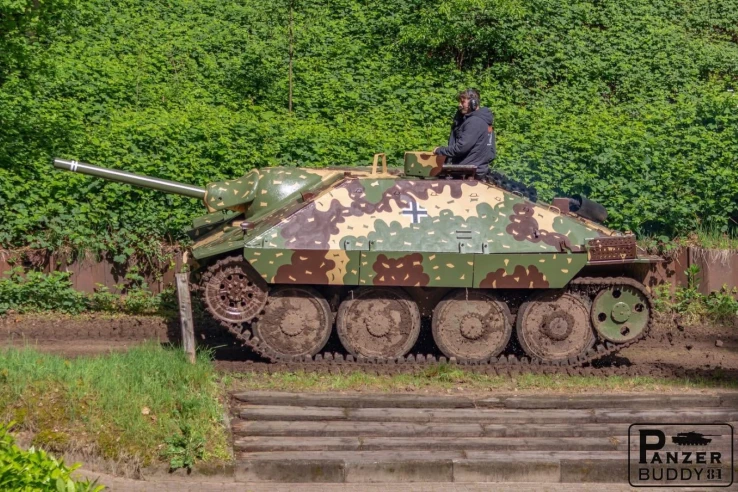
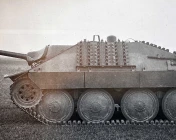
What makes this particular Jagdpanzer 38(t) especially significant is its original Linke-Hofmann manufactured hull. Based on its serial number, the hull was produced in early 1945.
It remains uncertain whether the vehicle was completed during the war by BMM or Škoda before later being converted to G13 standard, or whether Škoda assembled it after the war using original wartime components. Several details strongly support its World War II origins.
The vehicle retains its late-1944 pattern road wheels, one of which is dated March 1945, indicating that these components were almost certainly installed during wartime production. It also retains its original gun barrel, original right-hand side skirts and the original right rear fender. Furthermore, several original Maybach-marked bolts were found throughout the vehicle during restoration, providing additional evidence of its wartime manufacture.
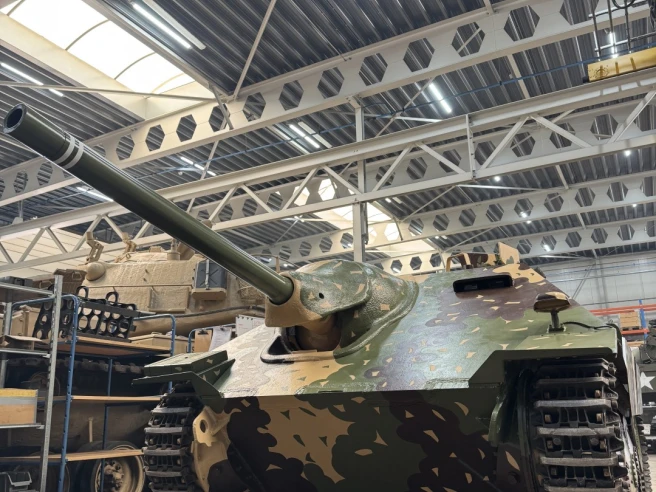
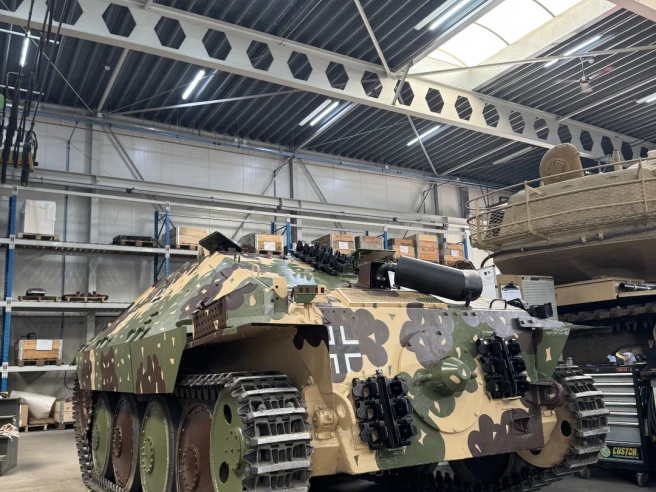
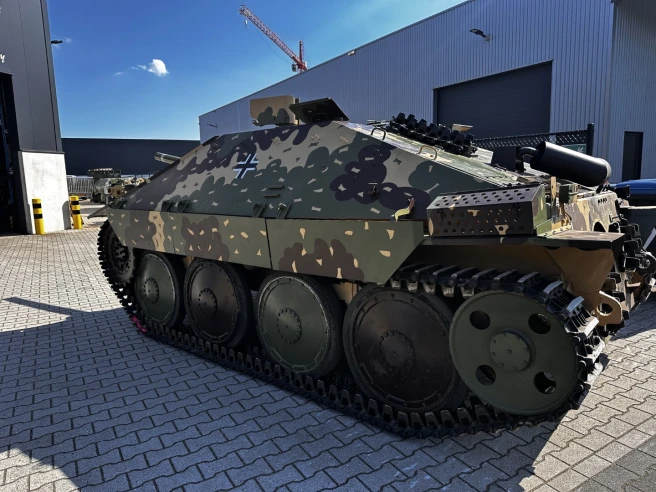
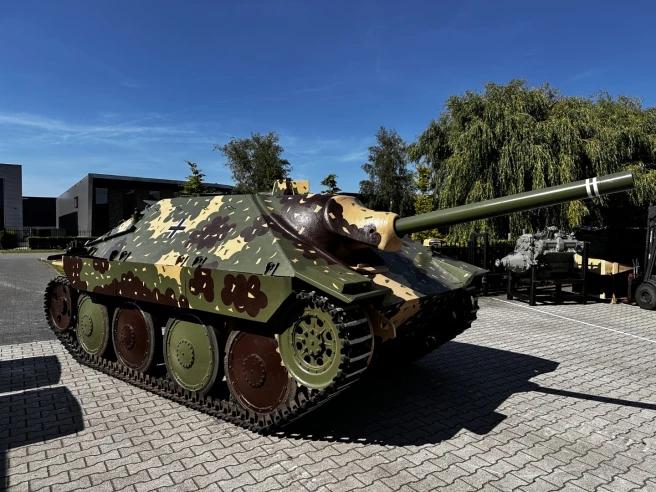
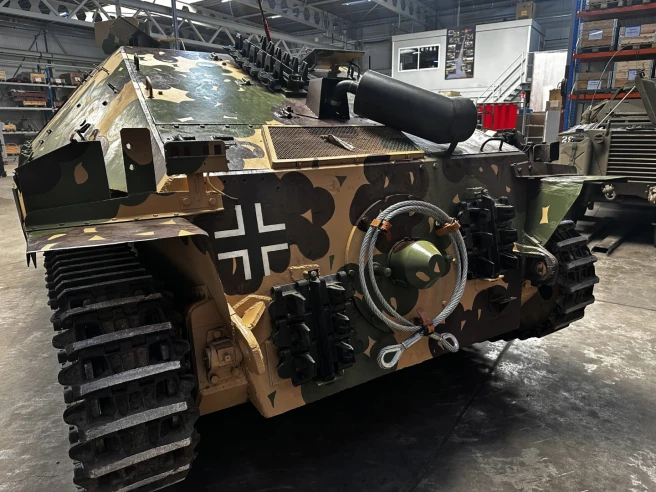
During the restoration, many of the Swiss post-war modifications were reversed, allowing the vehicle to be returned to its late-war German configuration. The result is a remarkably authentic and historically significant Jagdpanzer 38(t).
An Ambitious Schedule
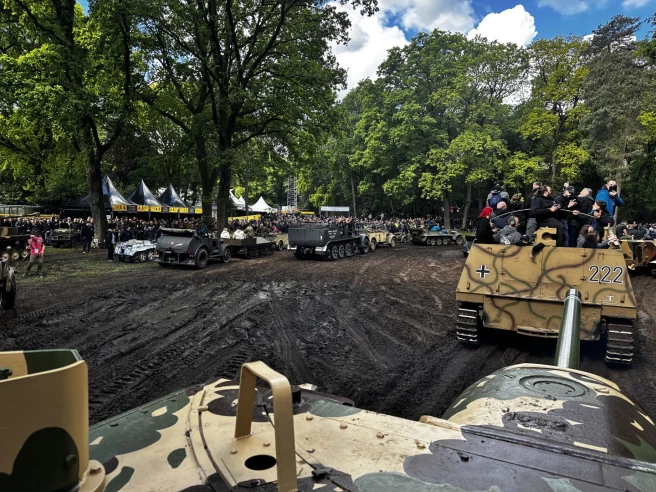
The project officially began in September 2025 with one clear objective: completing the restoration in time for Militracks 2026, held from 15 to 17 May at the Overloon War Museum in the Netherlands.
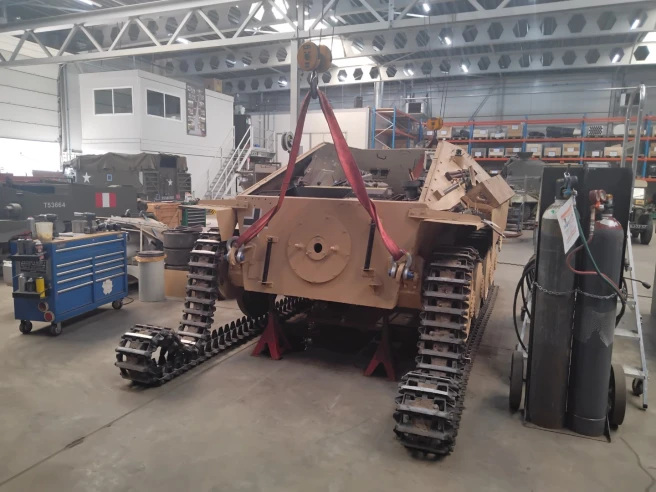
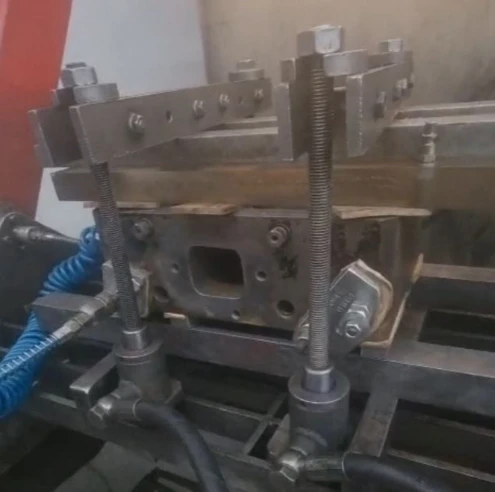
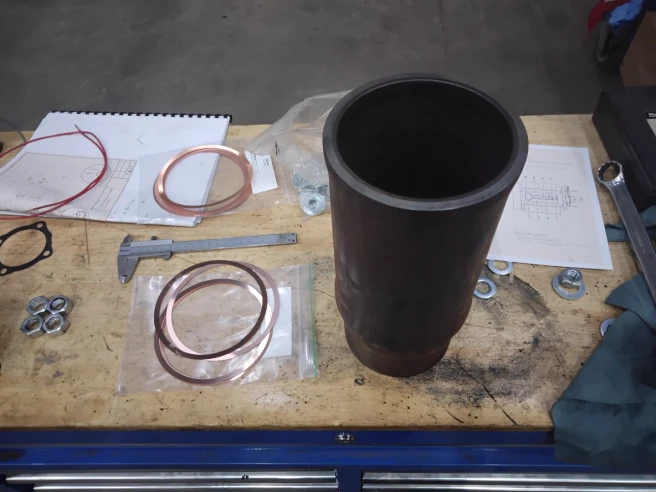
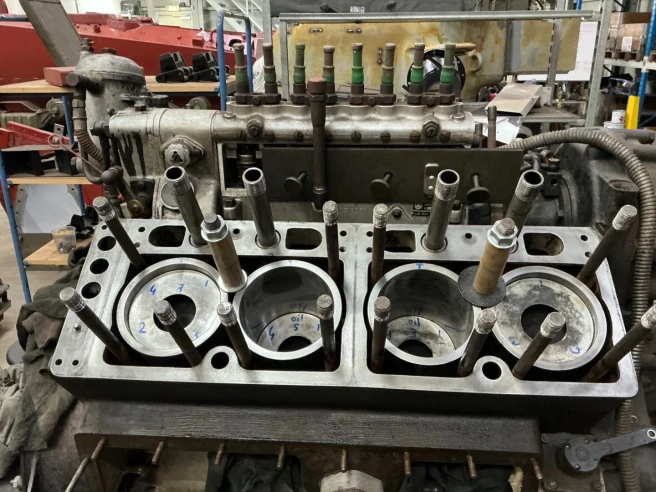
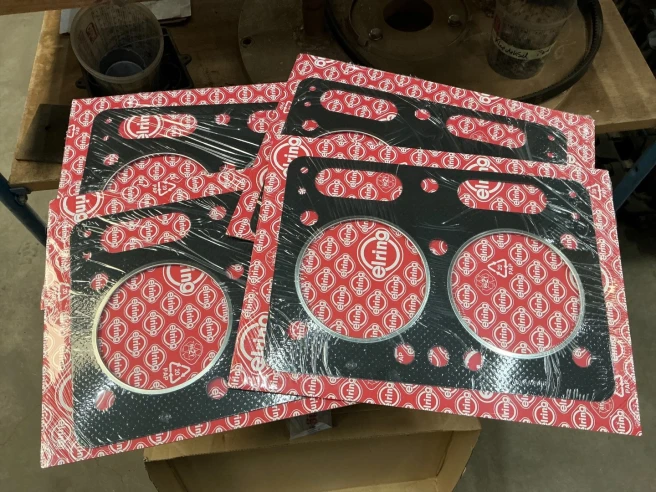
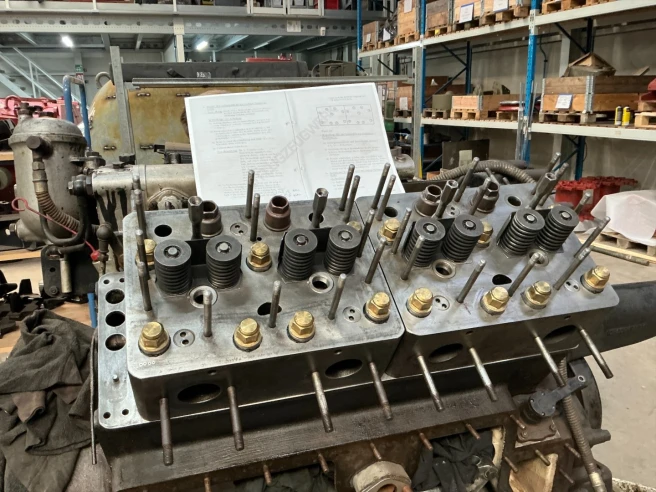
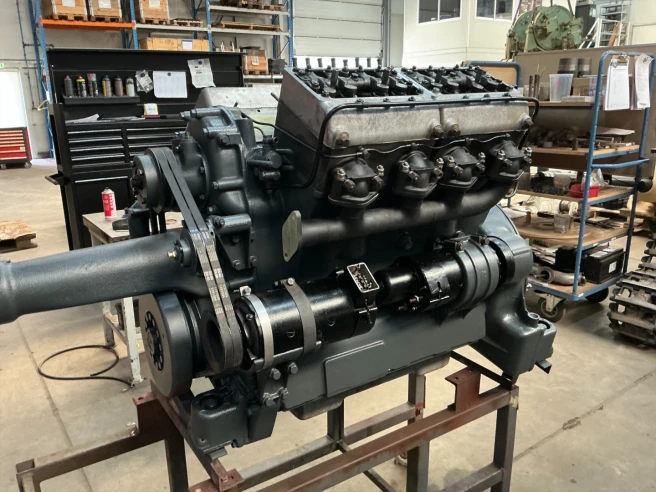
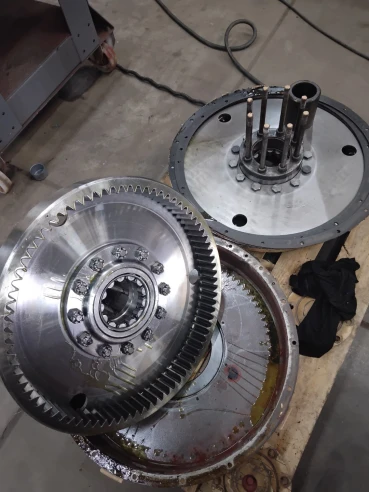
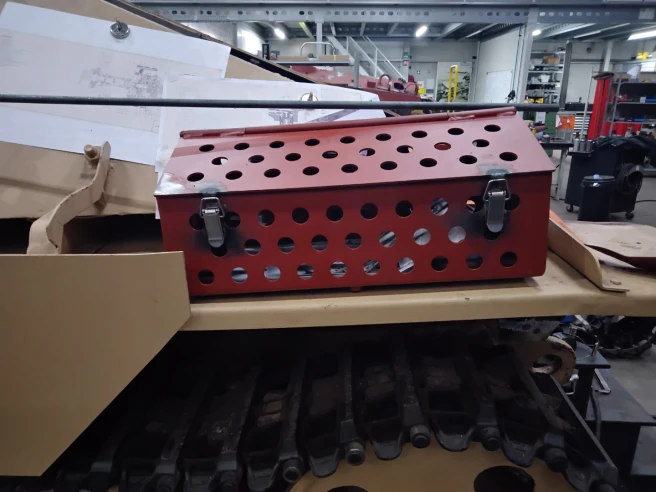
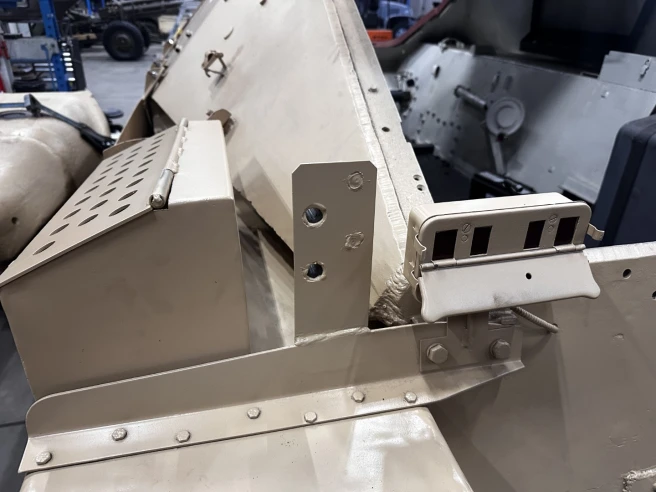
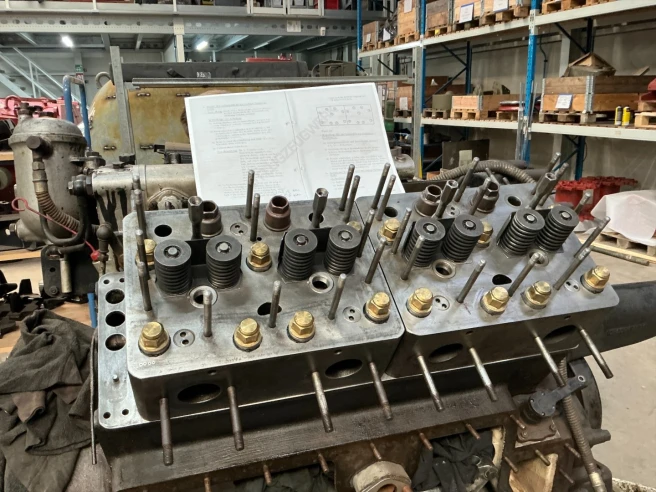
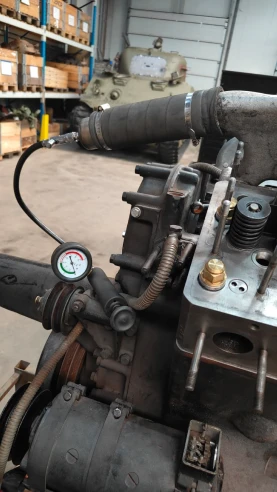
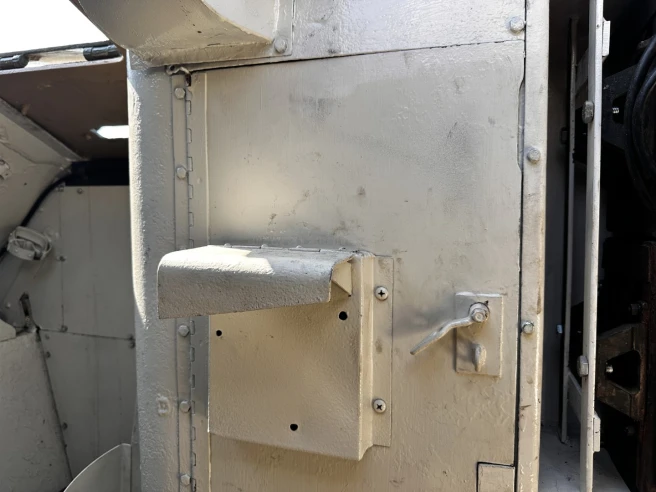
This left only six months to complete the entire project, including complete disassembly, inspection, mechanical overhaul, reassembly, finishing and testing. The photographs accompanying this article illustrate the sheer scale of the work that was required.
Complete Disassembly
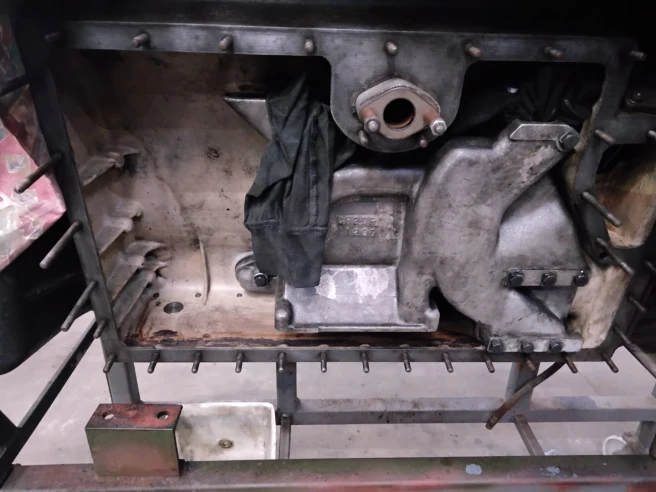
It quickly became apparent that this would be far more than a cosmetic restoration. To properly assess the vehicle's condition, the complete upper hull, engine and entire gun assembly were removed, allowing every major internal component to be inspected.
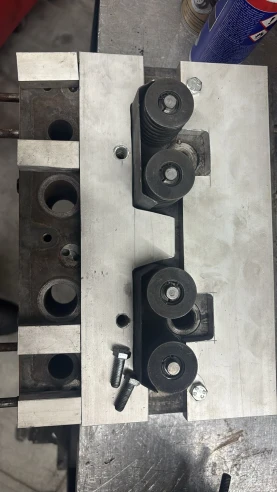
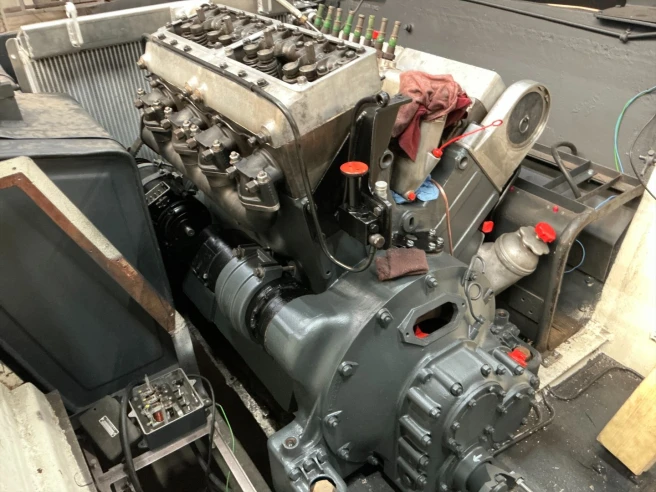
The complete drivetrain, transmission, steering system and engine compartment were stripped down and rebuilt. Virtually every component was cleaned, inspected and, where necessary, repaired or remanufactured.
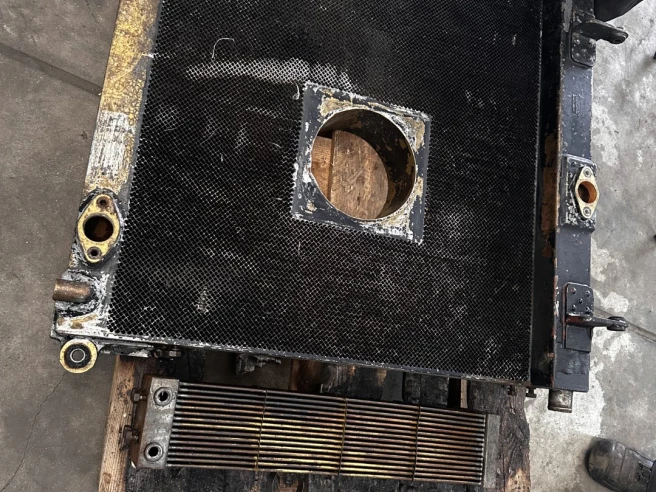
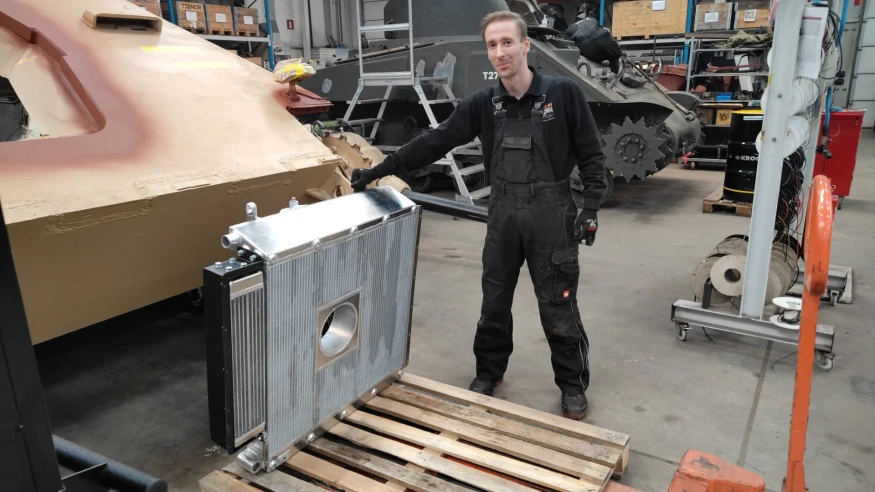
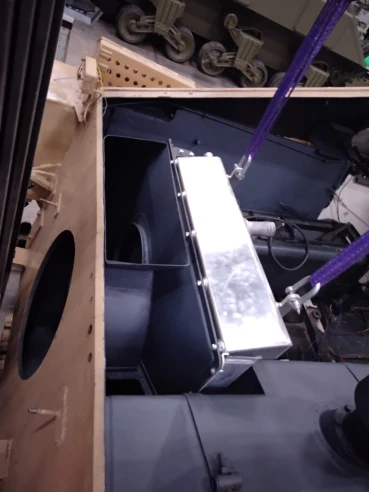
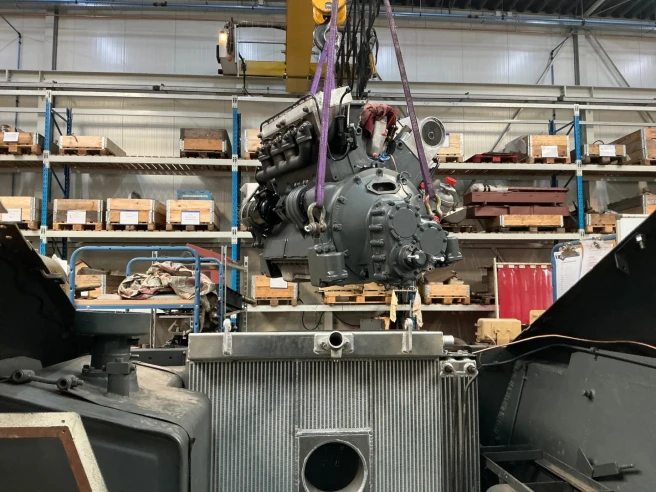
Particular attention was devoted to the transmission and the engine. During inspection it became clear that both the oil cooler and radiator had deteriorated beyond repair after decades of service and storage. Since replacement units were no longer available, BAIV engineered completely new oil coolers and radiators, which were subsequently manufactured by one of its specialist partners.
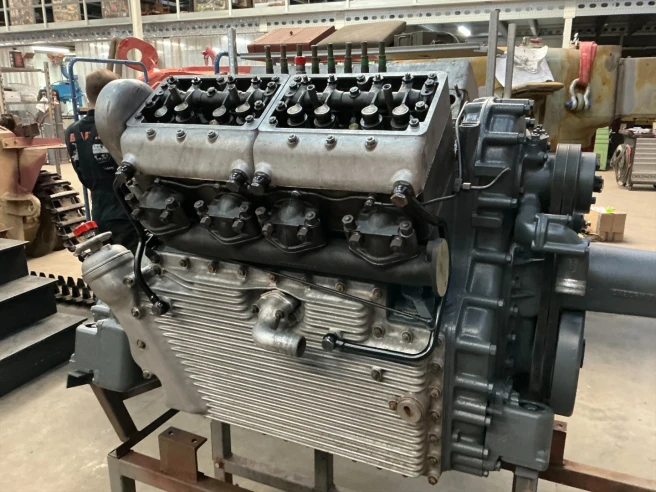
This Hetzer is powered by the reliable Saurer CH2DRM V8 diesel engine. However, sourcing spare parts for this engine has become increasingly difficult. To ensure the long-term reliability of the vehicle, BAIV purchased an additional donor engine through a trusted contact in Poland. In hindsight, this proved to be an invaluable decision, as numerous components from the donor engine were required during the rebuild.
The restoration photographs clearly demonstrate just how much work is hidden beneath what outwardly appeared to be a complete vehicle.
Engineering Before Appearance
Although the finished vehicle had to look authentic, technical reliability always remained the primary objective. After all, the owner intends to actively operate the Hetzer in the United States rather than display it solely as a museum exhibit.
The complete suspension, drive sprockets, road wheels, idlers and tracks were fully refurbished. Considerable effort was also invested in rebuilding the transmission and final drives to ensure dependable operation.
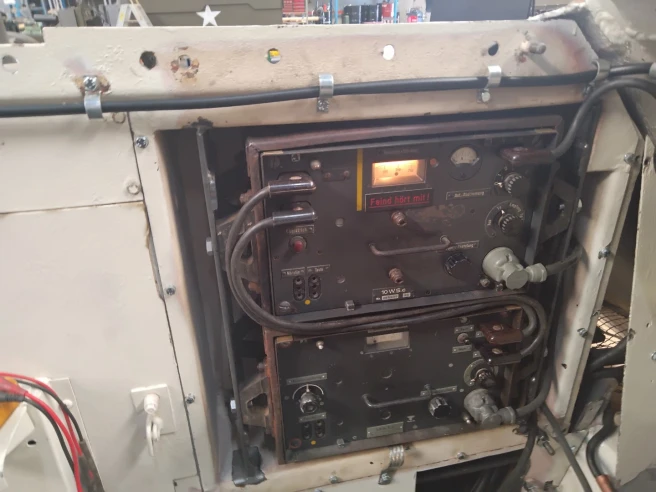
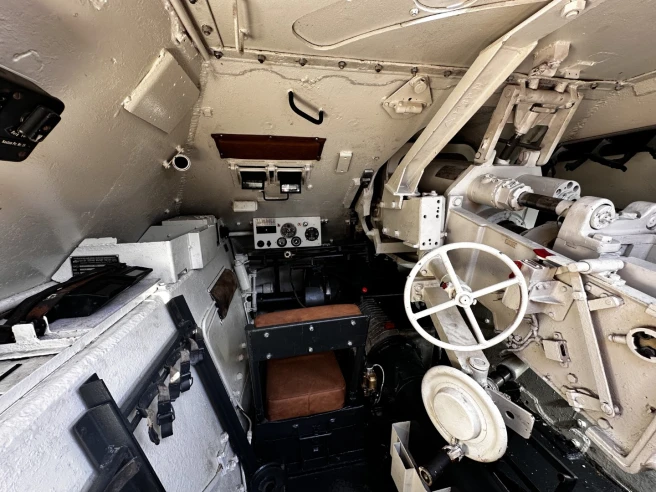
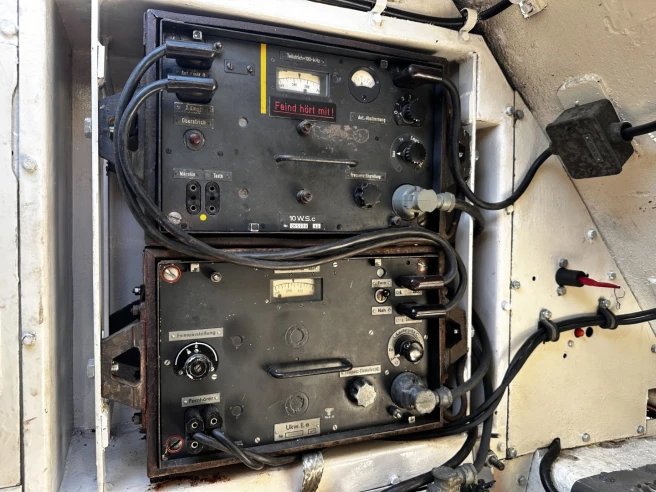
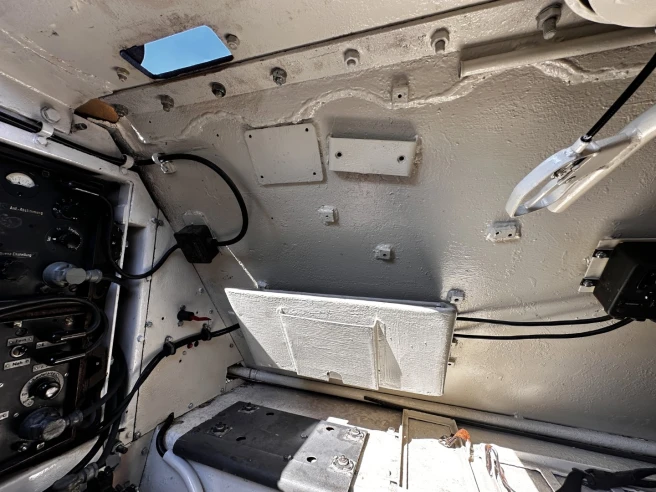
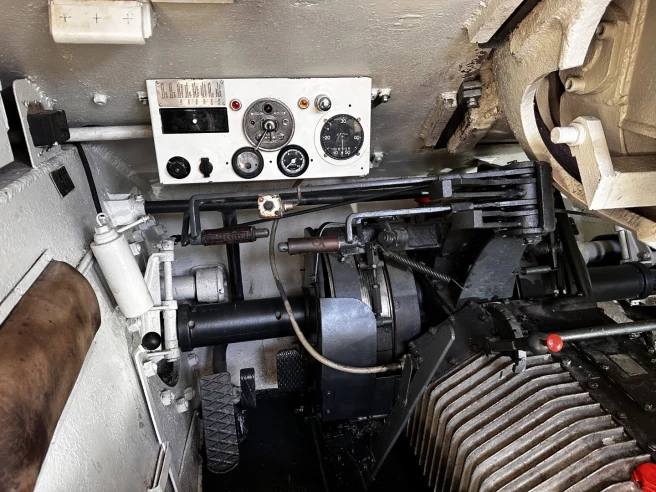
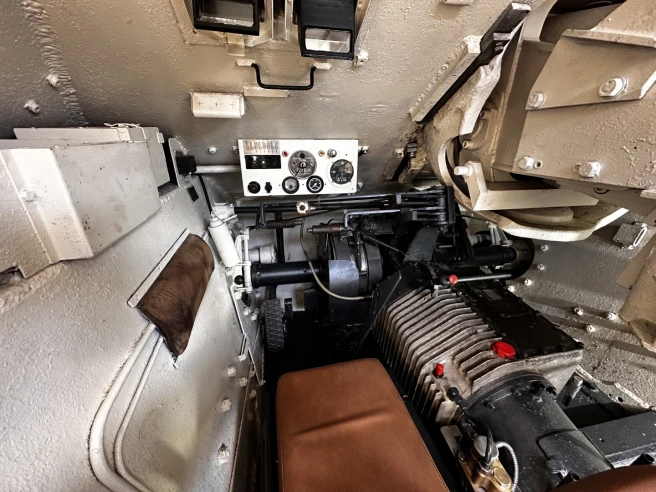
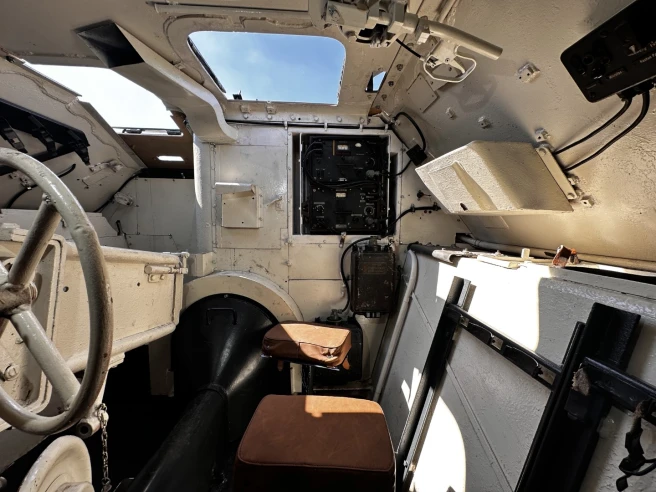
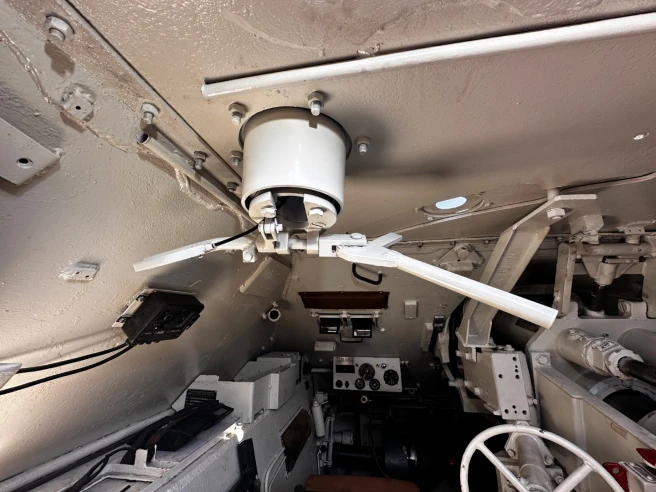
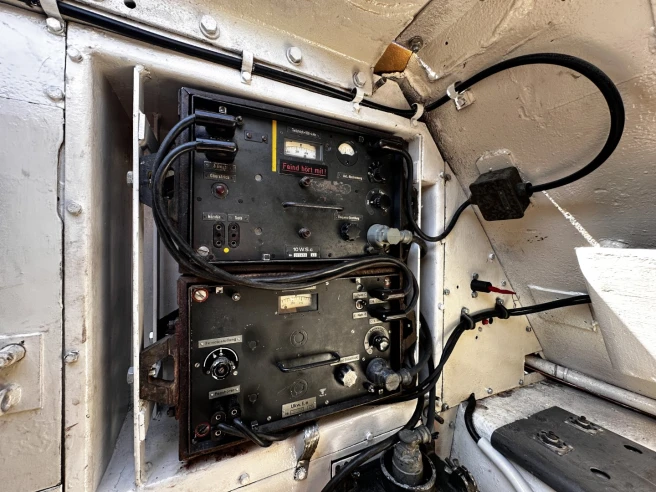
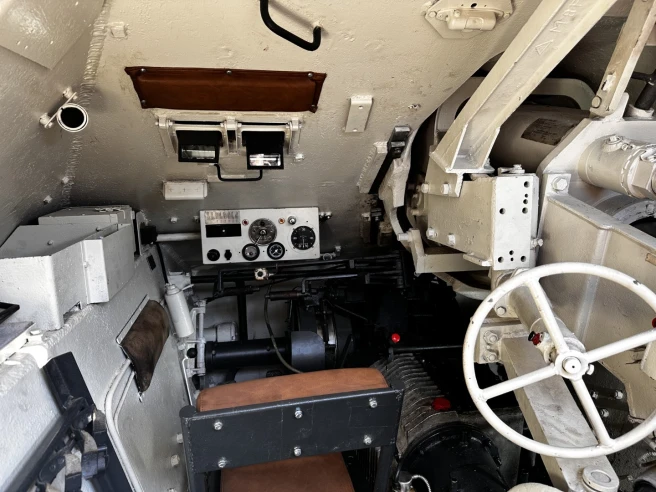
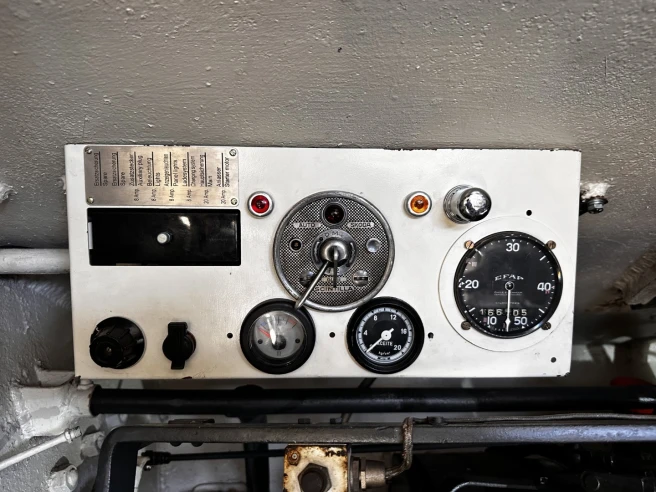
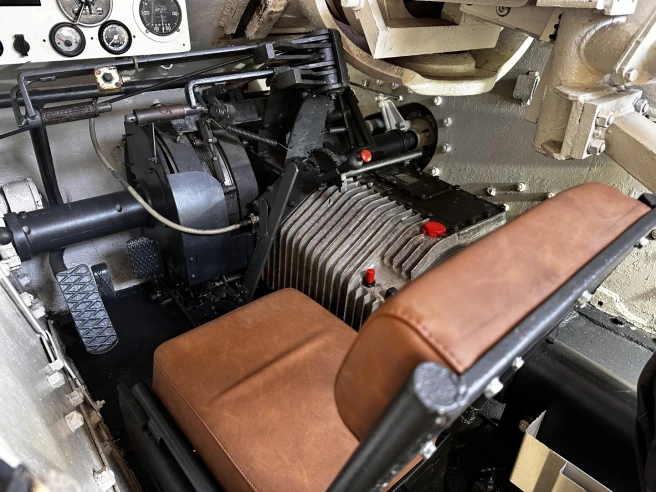
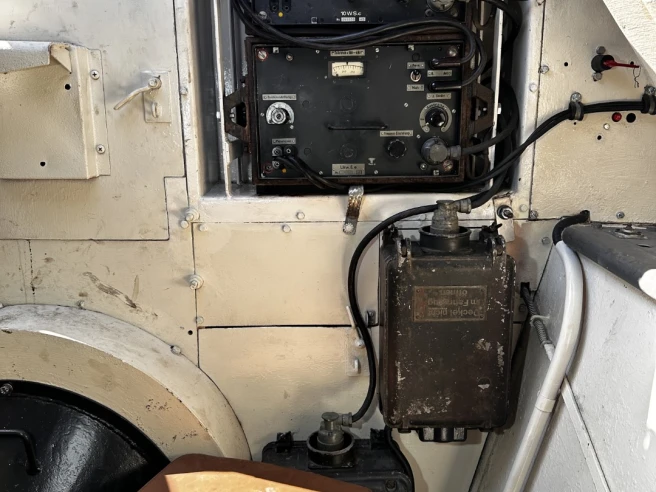
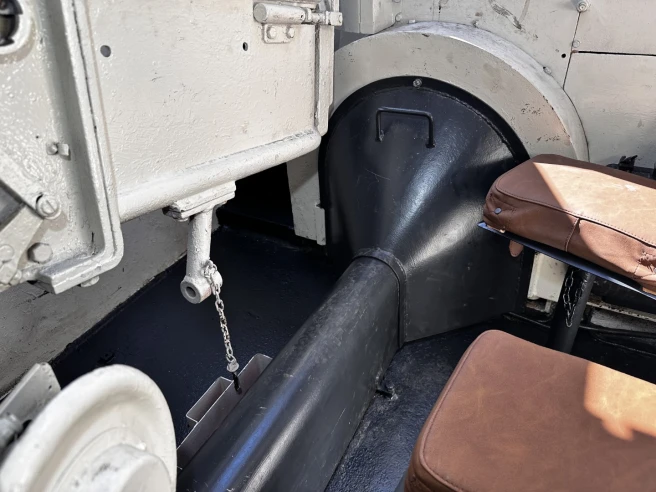
The interior received an equally comprehensive restoration. The driver's compartment was rebuilt almost entirely from scratch, with numerous components being newly manufactured, including all periscopes, the instrument panel, the complete electrical wiring harness and the dual 12/24-volt starting system. Every control was rebuilt and carefully adjusted.
Throughout the restoration, BAIV relied extensively on original wartime German manuals together with post-war Swiss G13 technical documentation to ensure historical and technical accuracy.
The Final Stage
As with almost every major restoration, the greatest challenges came during the final weeks. Once the major assemblies had been reinstalled, attention shifted to adjusting the mechanical systems, installing the wiring and pipework, fitting the tracks and carrying out the first operational tests.
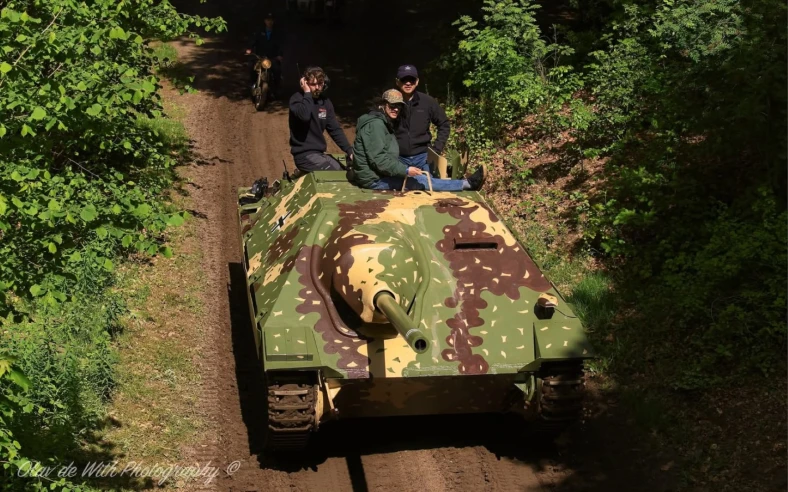
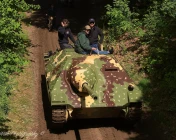
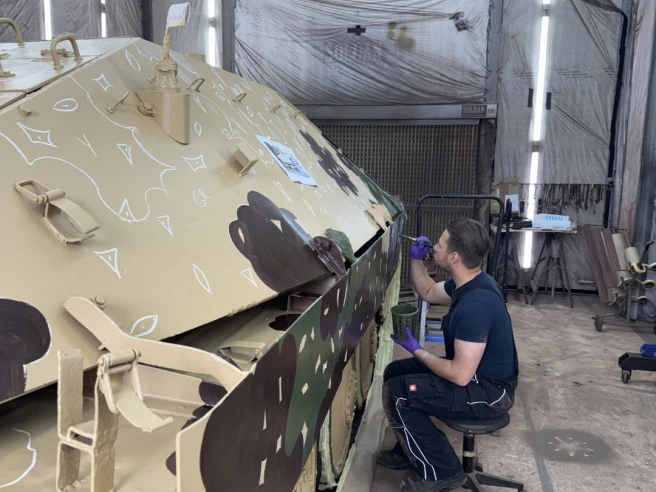
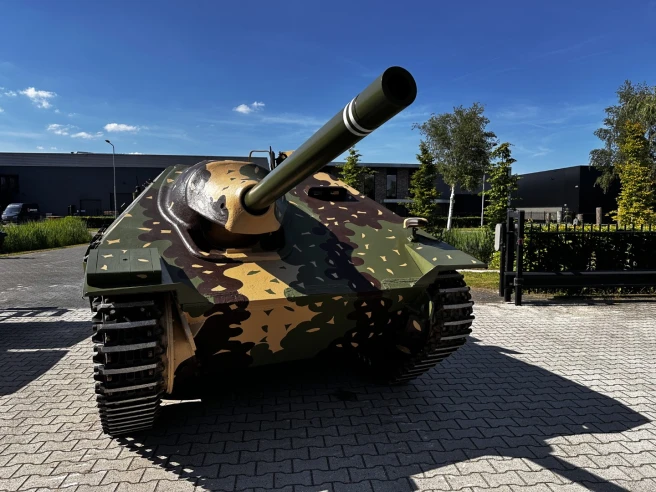
The final phase consisted of finishing and preservation. A unique late-war camouflage scheme was applied using original factory drawings and period photographs as references, giving the vehicle an appearance that closely reflects its wartime configuration.
Only after every system had proven reliable during testing was the Hetzer considered ready for public display. That milestone was reached just in time for Militracks 2026.